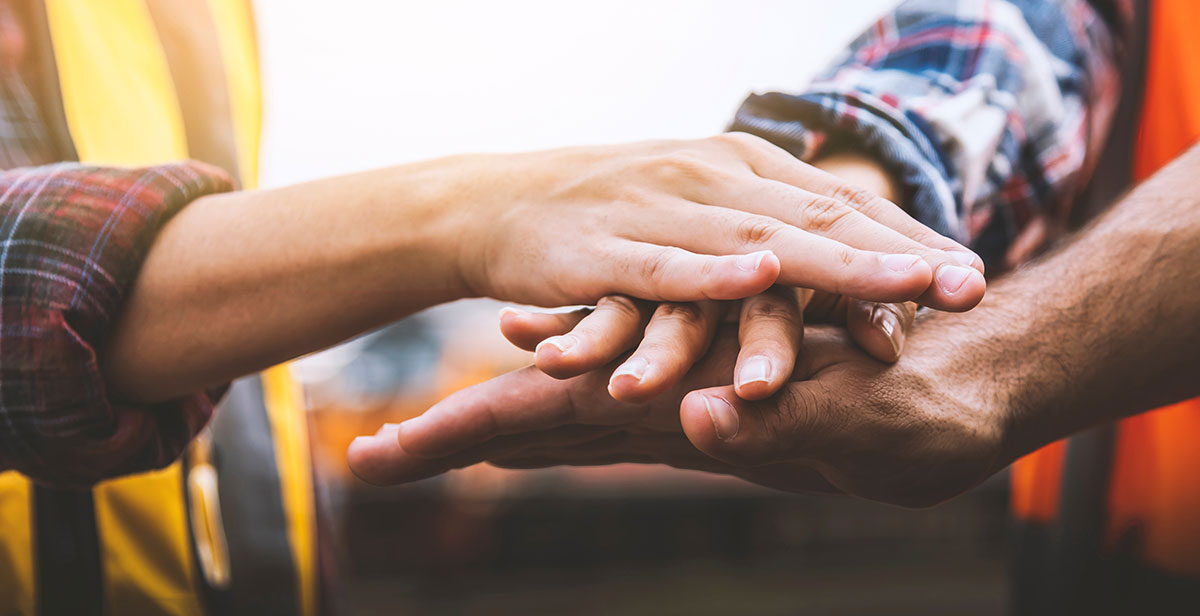
When people think about the trades, they often picture someone working alone with tools in hand. They imagine a single person fixing a problem or building something piece by piece. The truth is very different. The trades are a team sport.
Every successful project depends on cooperation between many skilled people. Electricians, carpenters, plumbers, heavy equipment operators, inspectors, and project managers all play a role. When everyone works together with respect and clear communication, the results are stronger, safer, and more efficient.
Over the years, I have learned that some of the best lessons in the trades are not just about tools or techniques. They are about teamwork.
Every Trade Has a Role
No building or project happens because of one trade alone. A construction site is like a puzzle where every piece must fit together.
Carpenters frame the structure so everything else has a foundation. Electricians bring power and systems to life. Plumbers make sure water flows where it should. Heavy equipment operators prepare the ground and move materials that make large projects possible.
Each role matters. When one trade does its job well, the next trade can do its job better. That chain of effort is what keeps projects moving forward.
I have always respected the different trades I work alongside. Watching how each group approaches their craft reminds me that there is always something new to learn from the people around you.
Communication Keeps Projects Moving
Good teamwork depends on clear communication. Job sites are busy places, and misunderstandings can slow things down quickly.
I have been on projects where a simple conversation prevented a major problem. For example, an electrician might notice that a change in wiring will affect where a wall should be framed. If that conversation happens early, the crew can adjust before extra work is needed.
When tradespeople talk openly and share information, everyone benefits. The work becomes smoother and safer.
Communication is not just about solving problems. It is also about showing respect for each other’s time and expertise. When people feel heard, they are more willing to work together and support one another.
Respect Builds Stronger Teams
One of the best job sites I ever worked on was one where every trade respected the others. No one acted like their work was more important than someone else’s. Everyone understood that the project depended on teamwork.
Respect changes the atmosphere of a job site. It encourages cooperation instead of competition. It makes it easier for people to ask questions, share ideas, and admit when they need help.
I always try to bring that mindset to every project. Whether someone is an apprentice just starting out or a veteran with decades of experience, their role deserves respect. Everyone is contributing to the same goal.
Learning From Each Other
One of the hidden benefits of teamwork in the trades is the opportunity to learn from people with different skills.
Over the years, I have picked up knowledge from plumbers, carpenters, and equipment operators simply by paying attention and asking questions. Each trade approaches problems in its own way, and that perspective can improve your own work.
For example, understanding how framing affects electrical routing can help an electrician plan better installations. Seeing how heavy equipment operators manage large materials can give you a better sense of how projects come together.
This kind of shared learning strengthens the entire crew. It also makes the work more interesting because you are constantly expanding your knowledge.
Supporting the Next Generation
Teamwork is especially important when apprentices are learning the trade. New workers depend on experienced crew members for guidance and encouragement.
I remember how much it meant when someone took the time to explain something clearly or offered advice on how to approach a difficult task. Those moments helped build my confidence and showed me that the trades are about more than individual success. They are about lifting each other up.
Today, I try to do the same for young people entering the field. A supportive team environment helps apprentices grow faster and feel more comfortable asking questions. It also shows them that collaboration is a key part of the profession.
Solving Problems Together
Every job site runs into challenges. Weather changes, materials arrive late, or unexpected issues appear behind walls or underground. When problems happen, teamwork becomes even more important.
A strong team works together to find solutions instead of pointing fingers. Each trade brings its knowledge to the table, and together they figure out the best path forward.
I have seen crews turn difficult situations into successful outcomes simply because they stayed focused on the shared goal. When people trust each other and communicate well, even big obstacles can be managed.
Building Professional Relationships
Collaboration in the trades often leads to long-lasting professional relationships. When you work well with someone on one project, you are more likely to work together again in the future.
Those relationships create networks of skilled professionals who trust each other’s work. That trust improves the quality of projects and makes job sites run more smoothly.
It also creates a sense of community within the industry. The trades can feel like a large extended family where people respect each other’s craft and support each other’s success.
Stronger Together
The trades are not about individual glory. They are about cooperation, shared knowledge, and mutual respect. Every successful project stands as proof of what a team of skilled workers can accomplish together.
When tradespeople communicate clearly, respect each other’s roles, and support one another, the work improves in every way. Projects finish faster, safety improves, and the environment becomes more positive for everyone involved.
Over the years, I have learned that the best job sites are the ones where people work like a team. The tools may be different, the tasks may vary, but the goal is always the same.
Build something strong. Do the work well. And help each other succeed along the way.